Investor Relations Swiss Re: What Stakeholders Need to Know Today
Swiss Re’s investor relations team sits at the crossroads of capital markets and insurance expertise, translating complex underwriting results into the language of shareholders, analysts, and prospective investors. For anyone weighing a stake in the world’s leading reinsurer, understanding how the firm communicates performance, risk, and strategy is the first practical step toward an informed decision.
What does the investor‑relations function actually do at Swiss Re?
The IR office curates quarterly earnings releases, conducts earnings calls, and publishes detailed sustainability reports that reflect the company’s exposure to climate‑linked risks. By maintaining a transparent dialogue with the market, it helps ensure that Swiss Re’s share price reflects both short‑term earnings volatility and the longer‑term value of its diversified reinsurance portfolio.
How does Swiss Re’s financial reporting differ from a typical insurer?
Swiss Re reports on both the life‑reinsurance and property‑casualty segments, but it also provides a “risk‑adjusted return on capital” metric that isolates underwriting profit from investment income. This dual focus allows investors to gauge the pure underwriting skill of the reinsurer, independent of market swings that affect its sizable investment portfolio. The company’s quarterly “Combined Ratio” – a percentage that sums claims and expenses against earned premiums – is another key gauge; a ratio below 100 % signals underwriting profit.
Which ESG initiatives should a potential investor monitor?
Swiss Re has integrated environmental, social, and governance (ESG) considerations into its underwriting policy, gradually limiting exposure to high‑carbon sectors while expanding coverage for renewable‑energy projects. Its annual sustainability report details progress against the United Nations’ Sustainable Development Goals, and the firm publishes a separate “Climate‑Impact Report” that quantifies the carbon‑footprint of its reinsurance contracts. For investors, these disclosures provide a measurable benchmark of how Swiss Re is positioning itself for a low‑carbon future.
What practical steps can investors take to stay informed?
- Subscribe to the investor‑relations portal. Swiss Re’s website offers email alerts for earnings releases, conference‑call transcripts, and analyst presentations.
- Review the quarterly earnings webcast. The management team highlights profit drivers and answers analyst questions; the Q&A segment often reveals upcoming strategic shifts.
- Track the “Solvency II” capital ratios. These regulatory metrics—available in the annual report—indicate the firm’s ability to meet claims under stressed scenarios.
- Analyze the risk‑adjusted return on capital (RAROC). Comparing RAROC across peers helps isolate Swiss Re’s underwriting efficiency.
- Monitor ESG ratings. Third‑party scores from MSCI or Sustainalytics can validate the company’s internal ESG disclosures.
How does Swiss Re’s IR team handle market volatility?
During periods of heightened insurance loss activity—such as a hurricane season or pandemic surge—the IR team issues supplemental briefings that explain the impact of extraordinary events on earnings. By providing forward‑looking guidance and contextualizing loss ratios, the team helps investors differentiate between temporary spikes and structural changes in the business model.
In practice, a trend‑aware reader can use these briefings alongside the firm’s published risk models to anticipate how future catastrophes might affect capital and dividend policy. The result is a more nuanced view than a simple price‑trend chart can offer.
What’s the bottom line for a prospective shareholder?
Investor relations at Swiss Re functions as a data‑driven liaison, turning actuarial insights into actionable market intelligence. By regularly engaging with earnings releases, ESG reports, and risk‑adjusted performance metrics, investors can assess whether the reinsurer’s risk appetite aligns with their own return expectations. The practical takeaway: treat Swiss Re’s IR disclosures as a living dashboard rather than a static factsheet, and let that dynamic perspective guide your investment decision.
Eastern Barn Owl (Tyto Javanica) By Richard Jackson - The Owl Pages
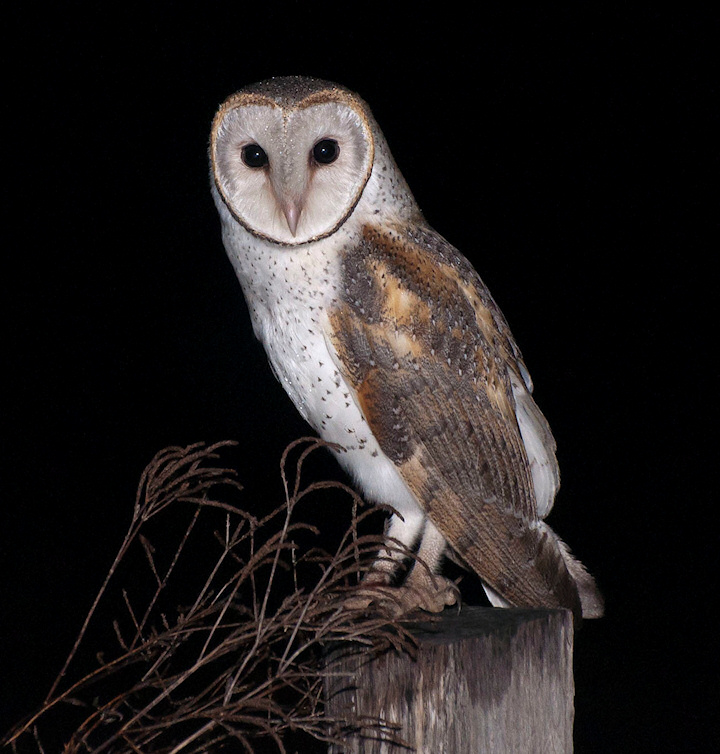
barn owl richard jackson australia owls night eastern tyto javanica kerry queensland location
Shooting Infrared Photos Of Barn Owls At Night | PetaPixel

barn owls night petapixel
Gallery
owl night barn gallery