Discover Portugal’s Most Fascinating Historical Sites: A Step-by-Step Guide
Portugal is a treasure trove of history, where every cobblestone and castle wall tells a story. Whether you’re planning a weekend getaway or a deeper exploration, these sites offer a direct connection to the past—without the need for a history degree. Here’s how to experience them like a local, in the most efficient way possible.
Why These Sites Stand Out: Skip the Crowds, Keep the Wonder
Portugal’s historical sites aren’t just Instagram backdrops—they’re living records of maritime empires, Moorish rule, and medieval power struggles. The difference between a tourist visit and a meaningful experience often comes down to timing and approach. For example, the Castle of the Moors in Sintra is stunning at sunrise, when the mist clings to the ruins and the crowds haven’t arrived. Pair this with a quick visit to the Quinta da Regaleira (just 10 minutes away) for a full morning of history without the midday heat.
Start in Lisbon: Where Portugal’s Story Begins
Lisbon’s historic center is a 30-minute walk from the riverfront, but the real magic starts at the Belém Tower. Built in the 16th century as a fortress and later a customs point, it’s a symbol of Portugal’s Age of Discoveries. From here, walk 15 minutes to the Jerónimos Monastery, where Vasco da Gama’s crew likely prayed before their voyages. Pro tip: Buy a combined ticket online to skip the lines at both sites. If you’re short on time, prioritize the monastery’s cloisters—they’re the most photogenic part.
Head North: Medieval Walls and Hidden Gems
The Guimarães Castle in northern Portugal is often called the “birthplace of the nation” because it’s where Portugal’s first king, Afonso Henriques, was allegedly born. The castle’s ramparts offer panoramic views of the town below, which feels like stepping into a medieval fairy tale. Nearby, the Braga Cathedral (Portugal’s oldest) is a 15-minute drive away and worth a quick stop for its Baroque façade and cloister. For a deeper dive, explore the Bom Jesus do Monte Sanctuary in Braga, where 577 steps lead to a neoclassical church—perfect for a leg stretch and a history lesson.
Coastal Time Travel: Évora and the Alentejo
Évora, a UNESCO-listed city in the Alentejo, is a 1.5-hour drive from Lisbon and feels like a time capsule. The Chapel of Bones is its most famous (and macabre) attraction—a 16th-century chapel decorated with the bones of 5,000 monks. Pair this with a visit to the Roman Temple of Évora, which has stood for 2,000 years despite earthquakes and wars. For a break from history, stop at a local *pastelaria* for *sericaia*, a traditional Alentejo dessert made with eggs and cinnamon.
Porto’s Underrated Historical Gems
Porto’s historic center is smaller than Lisbon’s but packed with surprises. The Livraria Lello, often called the inspiration for Harry Potter’s Hogwarts library, is a must-see—but go early (before 9 AM) to avoid the lines. Then, head to the Port Wine Cellars in Vila Nova de Gaia for a taste of history in a glass. The Clérigos Tower offers the best view of the city, and climbing its 225 steps is a workout that pays off with a 360-degree perspective. If you’re short on time, skip the tower and focus on the Sé do Porto (Porto Cathedral), which has a cloister and a peaceful garden.
Make It Practical: Your 3-Day Itinerary
If you only have a long weekend, here’s how to prioritize:
- Day 1: Lisbon – Belém Tower, Jerónimos Monastery, and a pastel de nata at Pastéis de Belém.
- Day 2: Sintra & Évora – Morning in Sintra (Pena Palace or Castle of the Moors), then drive to Évora for the Chapel of Bones and Roman Temple.
- Day 3: Porto – Livraria Lello, Clérigos Tower, and a port wine tasting in Vila Nova de Gaia.
This route balances driving time with deep dives into history, avoiding the pitfall of cramming too much into one day.
Kanał Mazurski - Mamerki - Mazury - MAZURY INFO PL
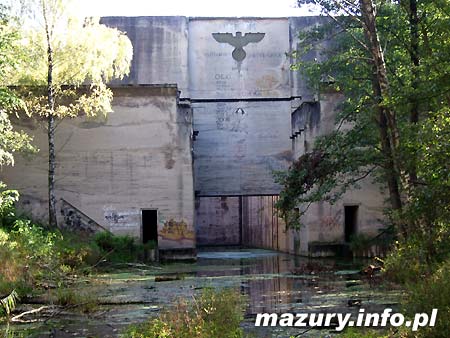
Kanał Mazurski - Mamerki - Mazury - MAZURY INFO PL