Understanding Public Investment Fund Holdings: A Practical Decision Guide
When you evaluate public investment fund holdings, the goal isn’t just to chase past returns—it’s to build a portfolio that aligns with your risk tolerance, financial objectives, and fiduciary responsibilities. This guide breaks down the most critical factors you need to consider, offering clear actions you can take right now to make smarter, more resilient investment decisions.
Assess the Core Composition of the Fund
Start by mapping out what the fund actually owns. Look beyond the headline “equities” label and drill into sector weightings, geographic exposure, and the balance between large‑cap and small‑cap stocks. A diversified mix can cushion market swings, while an overconcentration in a single industry may amplify volatility. Use the fund’s fact sheet to verify that the holdings reflect the investment style you expect—whether it’s growth‑focused, value‑oriented, or a blend of both.
Evaluate Performance Metrics Beyond Simple Returns
Raw return figures are only part of the story. Examine risk‑adjusted measures such as the Sharpe ratio, which shows how much excess return you receive per unit of risk. Consider the fund’s beta to gauge sensitivity to broader market movements, and review its drawdown history to understand how it performed during downturns. If sustainability matters to you, check ESG scores and any disclosed impact metrics; many public funds now integrate these factors into their holdings.
Identify Hidden Costs and Fee Structures
Expense ratios are the most visible cost, but they don’t tell the whole tale. Investigate transaction fees, bid‑ask spreads, and any performance‑based charges that may erode net returns over time. Some funds impose redemption fees or impose higher costs on less liquid holdings. A clear fee breakdown lets you compare apples to apples across competing funds and avoid surprise deductions that can compound over years.
Compare Governance and Transparency Standards
Strong governance is a proxy for long‑term stability. Review how often the fund discloses its holdings, the depth of its quarterly reports, and whether it provides voting records for shareholder resolutions. Funds that actively engage with portfolio companies on governance issues often achieve better risk management outcomes. Look for third‑party audits or certifications that reinforce the fund’s commitment to transparency.
Actionable Steps for Building a Resilient Portfolio
- Screen the holdings list. Download the latest PDF or CSV and flag any concentration above 10 % in a single issuer.
- Run risk‑adjusted calculations. Use a spreadsheet or a free online tool to compute Sharpe and Sortino ratios for the past three years.
- Audit the fee schedule. Add up all disclosed costs, then compare the total to industry benchmarks for similar strategies.
- Check governance reports. Verify that the fund publishes voting records and ESG impact statements.
- Rebalance regularly. Set a calendar reminder to review holdings quarterly and adjust allocations to maintain your target risk profile.
By systematically applying these checks, you turn the abstract concept of public investment fund holdings into a concrete, manageable process. The result is a portfolio that not only meets performance expectations but also aligns with your broader financial and ethical goals.
Таксационные показатели насаждений - Online Presentation
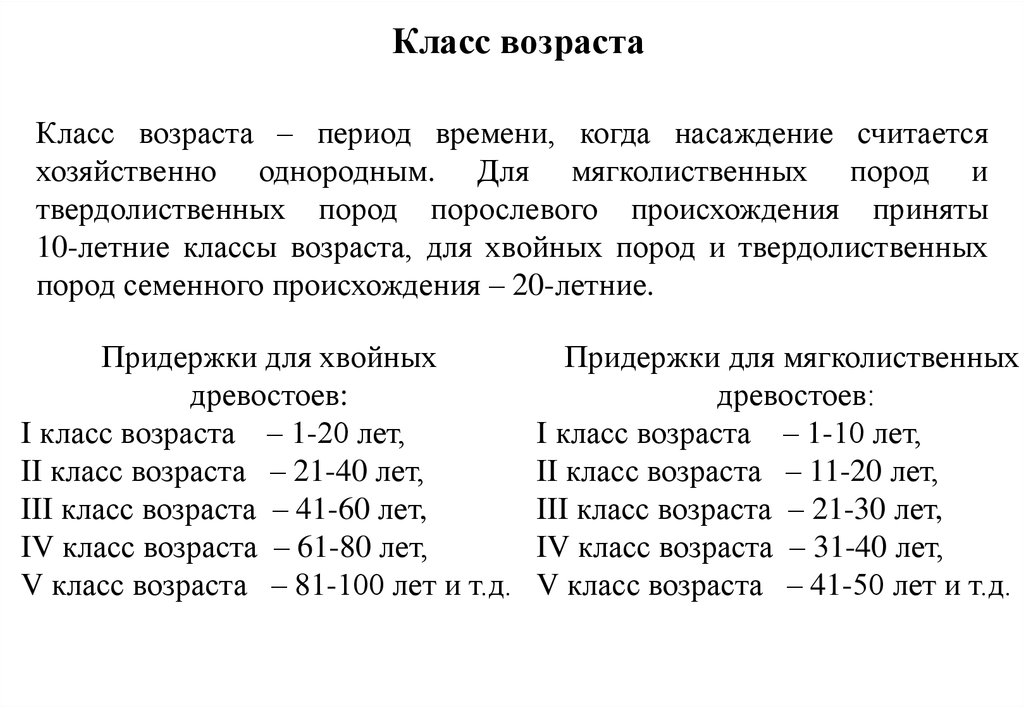
Таксационные показатели насаждений - online presentation