Public Storage REIT Investor Relations: Common Mistakes and Smarter Alternatives
Public storage REIT investor relations demand more than glossy slides and quarterly earnings releases. Value‑focused investors scrutinize cash flow, occupancy trends, and ESG positioning. Yet many REITs stumble on avoidable pitfalls that dilute credibility and raise the cost of capital. Below are the most frequent missteps and concrete strategies that turn ordinary communication into a competitive advantage.
Avoid the “Data Blindness” Mistake – Build a Real‑Time Investor Dashboard
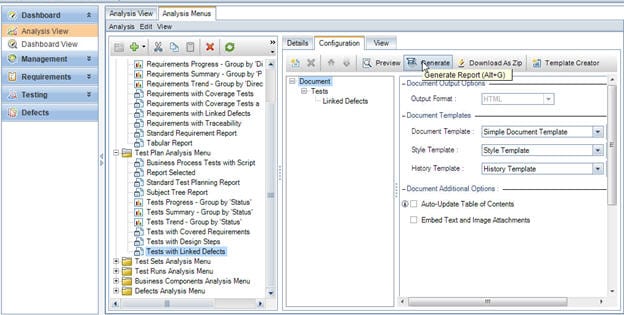
Relying on static reports creates a lag between operational reality and investor perception. A live dashboard—mirroring the screenshot above—consolidates key performance indicators such as occupied square footage, average rent per unit, and net operating income. By granting analysts and shareholders instant access, you demonstrate transparency and reduce the “I‑need‑to‑call‑someone” bottleneck that often fuels speculation.
Keep Your ESG Narrative Consistent, Not Just a Checkbox
Environmental, Social, and Governance (ESG) reporting is no longer optional for public storage REITs, but many issuers treat it as a one‑off disclosure. The smarter alternative is to weave ESG metrics into every earnings release: report energy‑saving initiatives per facility, track community‑impact projects, and disclose board diversity alongside financial results. Consistency reinforces credibility and attracts institutional investors who benchmark ESG performance across the sector.
Align Dividend Messaging With Cash‑Flow Realities
Promising a “steady dividend” without linking it to cash‑flow projections can erode trust when surprises occur. Instead, publish a forward‑looking payout coverage ratio that ties the dividend to operating cash flow, adjusted for cap‑ex cycles. When a REIT signals a temporary increase, it should be accompanied by a clear rationale—e.g., higher occupancy in a key market—so investors see the change as purposeful rather than arbitrary.
Leverage Peer Comparisons Without Copy‑Pasting
Benchmarking against peers such as CubeSmart or Life Storage is valuable, but copying their reporting format leads to bland communication. Develop a comparative matrix that highlights where your REIT outperforms (e.g., higher same‑store revenue growth) and where gaps exist (e.g., lower digital lease conversion). Present this matrix during earnings calls, then outline actionable steps—like expanding self‑service kiosks—to close identified gaps. The narrative becomes a roadmap rather than a static chart.
Turn Quarterly Calls Into Strategic Touchpoints
Quarterly earnings calls are often relegated to “data dump” sessions. Transform them into strategic dialogues by: (1) starting with a concise 5‑minute market outlook, (2) presenting one “growth pivot”—such as entering a new metropolitan storage market—and (3) dedicating a Q&A segment to long‑term capital allocation. This structure not only showcases forward‑thinking leadership but also gives investors concrete milestones to track, reducing turnover and encouraging long‑term holding.