Swiss Stock Exchange Holidays: How to Plan Your Trading Calendar
Whether you’re a seasoned investor or a newcomer to the Swiss market, knowing when the Swiss Stock Exchange (SIX) stays closed can save you from missed opportunities and unexpected losses. Swiss stock exchange holidays are not just a list of dates; they shape liquidity, market sentiment, and the timing of your trades. Below, we break down the key benefits of planning around these holidays, the practical cautions you should keep in mind, and some real‑world tips to help you stay ahead.
Why Swiss Holidays Matter for Your Portfolio
Swiss holidays directly affect the availability of trading days, the spread between bid and ask, and the volume of orders. On a holiday, the market’s open‑to‑close window vanishes, which can lead to higher volatility when it resumes. By aligning your strategy with the holiday calendar, you can:
- Prevent accidental orders from slipping through on the last minute.
- Adjust stop‑loss levels to avoid triggering on low‑volume days.
- Take advantage of anticipated market gaps that often appear after holidays.
Key Swiss Stock Exchange Holiday Dates to Remember
The SIX operates on a standard schedule, but the following days are traditionally market‑closed. These dates reflect both national holidays and observances that impact trading in Switzerland.
- New Year’s Day – January 1
- Good Friday – variable date, typically early April
- Easter Monday – variable date, typically early April
- May Day – May 1
- Ascension Day – 39 days after Easter
- Whit Monday – 50 days after Easter
- Swiss National Day – August 1
- All Saints’ Day – November 1
- Christmas Eve – December 24 (market closed after 10:00 CET)
- Christmas Day – December 25
- Boxing Day – December 26
Keep in mind that the Swiss market often closes earlier on December 24, but remains open until 10:00 CET. Additionally, regional variations may affect the exact holiday schedule for certain local exchanges.
Planning Your Trades Around Holiday Windows
Because trading volume drops sharply on the days before and after holidays, many investors choose to:
- Position themselves with longer‑term holdings to avoid short‑term liquidity spikes.
- Set wider stop‑loss triggers during the pre‑holiday period to avoid unnecessary exits.
- Use limit orders rather than market orders immediately after a holiday, as price gaps can occur.
For example, an equity that closes at 100 CHF on the last trading day before a holiday might open at 103 CHF the next day. If you had placed a market order immediately after the holiday, you could have overpaid. A pre‑planned limit order at 102 CHF would have secured the better price.
Common Mistakes and How to Avoid Them
Even the most experienced traders can fall into traps during holiday periods. Here are a few pitfalls:
- Assuming the market will resume exactly at its pre‑holiday level – price gaps are common.
- Failing to check regional holidays – some Swiss cantons observe additional days that affect local exchanges.
- Neglecting to adjust dividend dates – companies often declare dividends on days preceding a holiday, affecting the ex‑dividend price.
Mitigation tips: subscribe to the SIX holiday calendar updates, set automated alerts in your trading platform, and review any scheduled corporate actions that coincide with holidays.
Practical Tools to Stay Informed
Staying ahead requires more than just memorizing dates. Consider integrating the following resources into your workflow:
- Official SIX Calendar API: Many brokers provide a real‑time feed of market closures.
- Financial News Feeds: Bloomberg, Reuters, or local Swiss financial sites publish holiday alerts.
- Trading Bots: Configure auto‑pause features for periods surrounding holidays.
These tools help you avoid last‑minute surprises and keep your portfolio aligned with the market’s operational rhythm.
Bottom Line: Make Holidays Work For You
Swiss stock exchange holidays are not just a pause in trading; they’re a strategic component of market dynamics. By anticipating the timing of closures, adjusting your order types, and using reliable tools to stay updated, you can reduce risk, improve execution quality, and potentially capture the small price gaps that emerge around these dates. Stay informed, plan proactively, and let the holidays become an ally rather than an obstacle in your trading journey.
История создания и развития плат Arduino
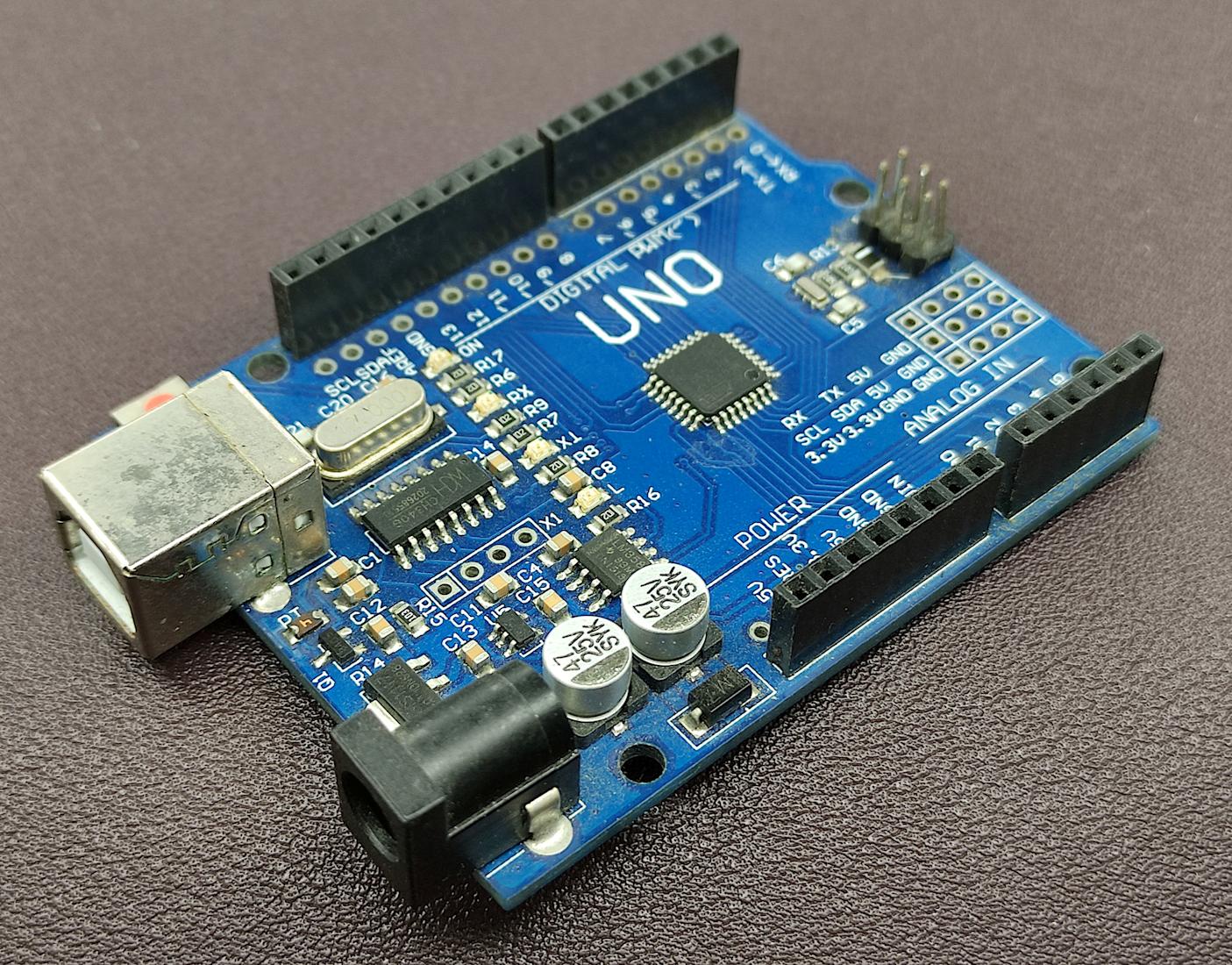
История создания и развития плат Arduino